By leveraging semiconductor-grade ultra-high-sensitivity and speedy detection physics.
Alzheimer’s Disease
Novascope’s Biochip Identifies Treatable Patients
The Burden of Alzheimer’s Disease
Alzheimer’s disease is a progressive, irreversible brain disorder that destroys memory, thinking skills, and eventually, the ability to perform day-to-day tasks. As it accounts for approximately 60–80% of dementia cases, Alzheimer’s disease imposes a substantial clinical, economic, and societal burden.
According to Alzheimer’s Association, 7.2 million people aged 65 and older in the U.S. are living with Alzheimer’s disease. Total annual costs of caring for people living with Alzheimer’s and other dementias (excluding unpaid care) is estimated to be $384 billion in 2025.
Not curable but treatable if detected early
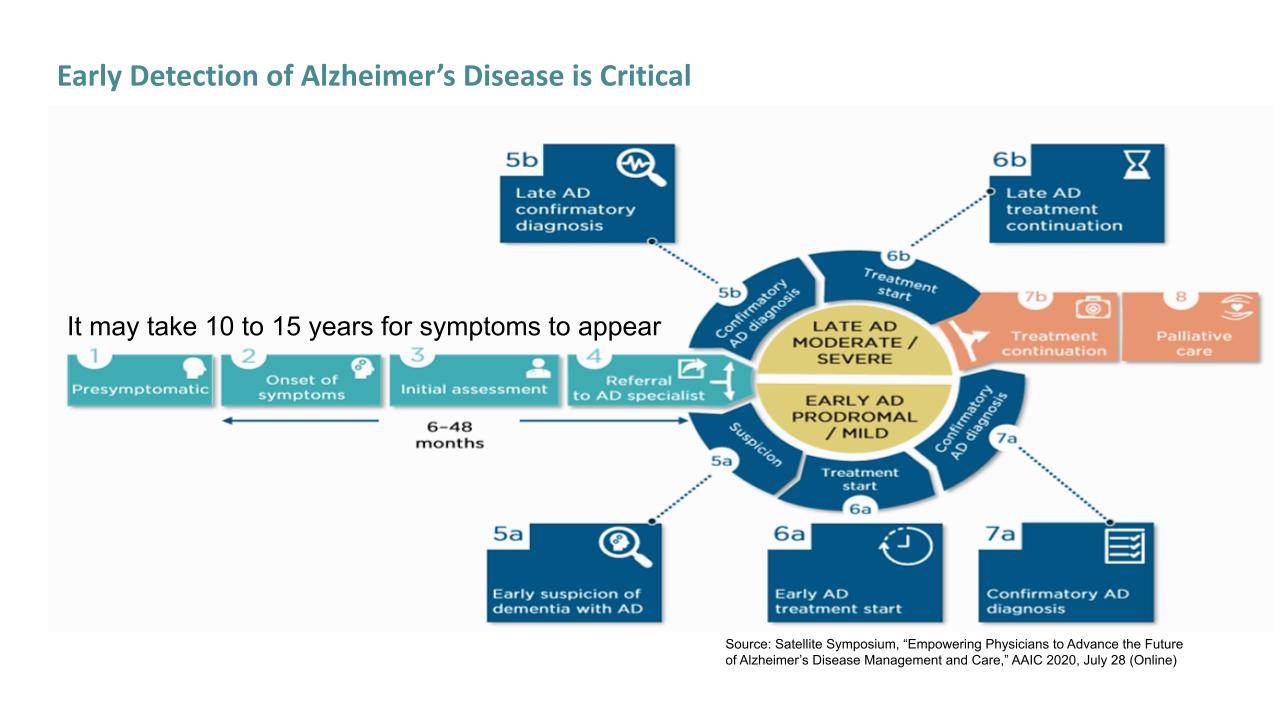
Although Alzheimer’s disease is not curable, medications and therapies are available to patients in Stage 2 or mild cognitive impairment/early stage to manage symptoms, improve quality of life, and potentially slow cognitive decline..
Novascope’s Biochip Identifies Treatment Patients
Inefficiency and Inadequacy of Existing Diagnostics Regimes
Given the emergence of disease-modifying therapeutics, the healthcare system faces a growing mismatch between the need for early, accurate detection and the availability of accessible diagnostic tools.
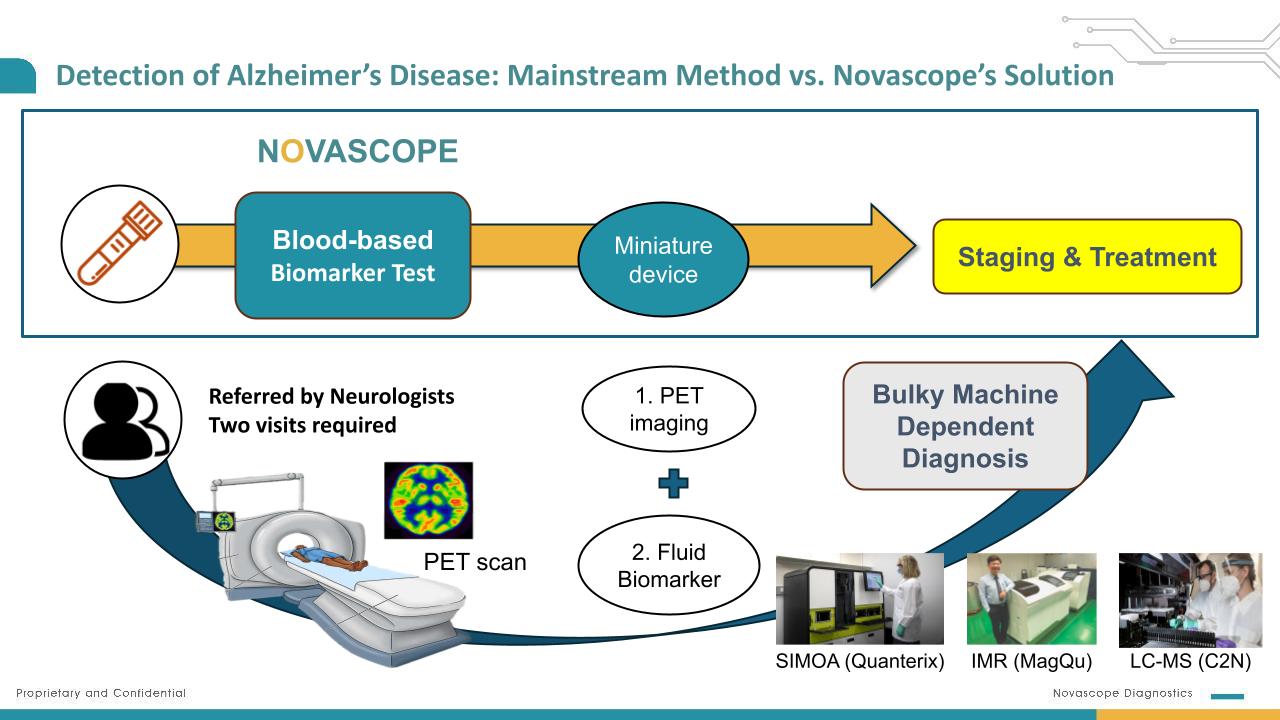
Alzheimer’s disease is typically diagnosed after significant and irreversible neurodegeneration has occurred. Current diagnostic pathways rely heavily on a combination of cognitive assessment and expensive imaging modalities such as amyloid PET scans or invasive cerebrospinal fluid (CSF) testing —approaches that are costly, capacity-limited, and not suited for large-scale screening or routine monitoring. Essentially, these tools were designed for confirmation—not screening.
As pathological changes associated with Alzheimer’s disease begin 10–20 years before clinical symptoms appear, there is a critical window where sensitive detection of low-abundance biomarkers can enable earlier intervention.
Detection of Biomarkers in Blood at Femtogram Accuracy
Proteins originating from the central nervous system enter peripheral circulation only in minute quantities due to dilution and the filtering effects of the blood–brain barrier. For instance, clinically relevant concentrations of amyloid-β peptides in peripheral blood may fall into the picogram-per-milliliter (pg/mL) range, near the limits of conventional immunoassays and standard laboratory platforms.
This diagnostic challenge is compounded by the complexity of blood itself. Peripheral proteins, enzymatic degradation, and binding interactions can mask or alter the pertinent biomarker signals.
Researchers have shown that amyloid and tau molecules in plasma may be rapidly metabolized, cleared, or bound to other proteins, creating analytical interference that reduces assay sensitivity and reproducibility.
Novascope’s biochip platform is designed specifically to address this fundamental issue regarding sensitivity barrier. By leveraging semiconductor-grade ultra-high-sensitivity and speedy detection physics, our platform enables quantitative measurement of low-abundance biomarkers directly from peripheral blood samples.
Novascope’s Biomarker Portfolio for Dementia
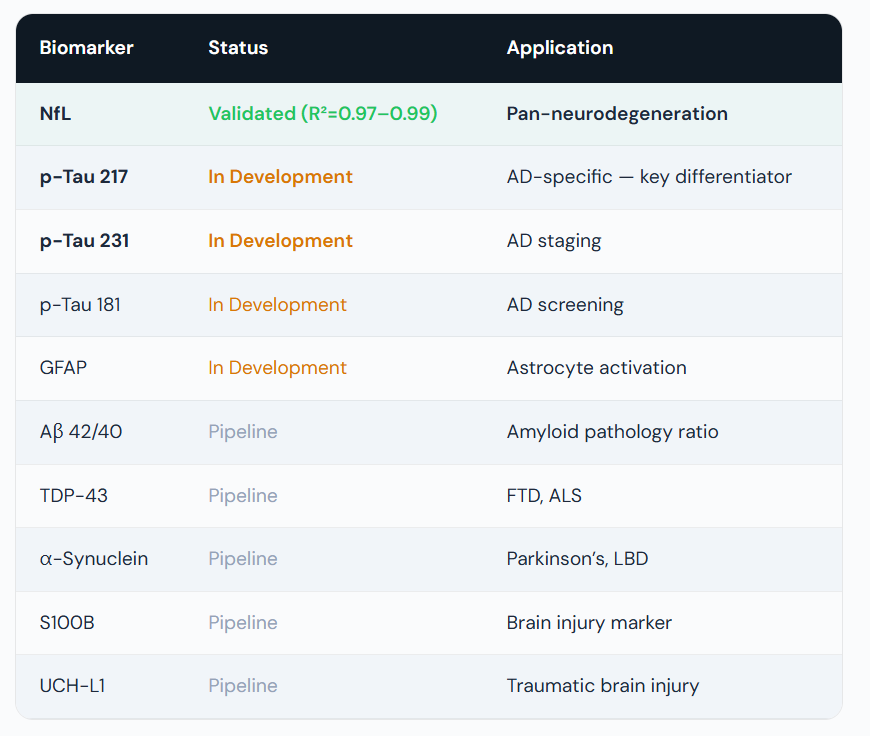
pTau 217/231 assays are in development for AD-specific diagnosis. Our in-house antibody production capability provides a competitive moat for rapid assay development across multiple neurodegeneration biomarkers.
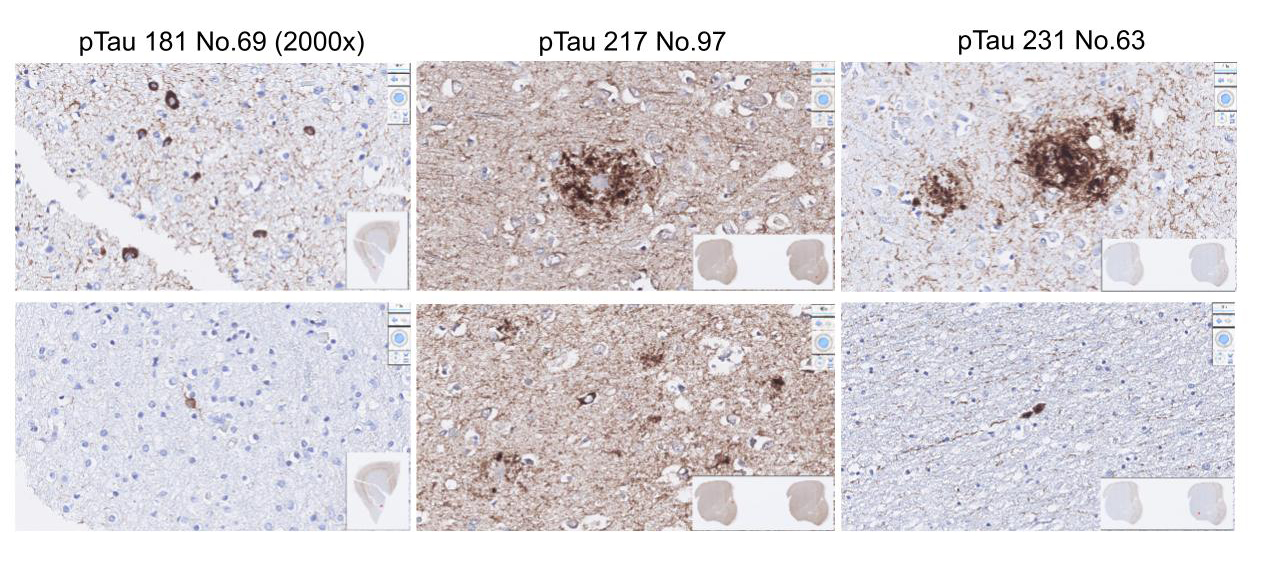
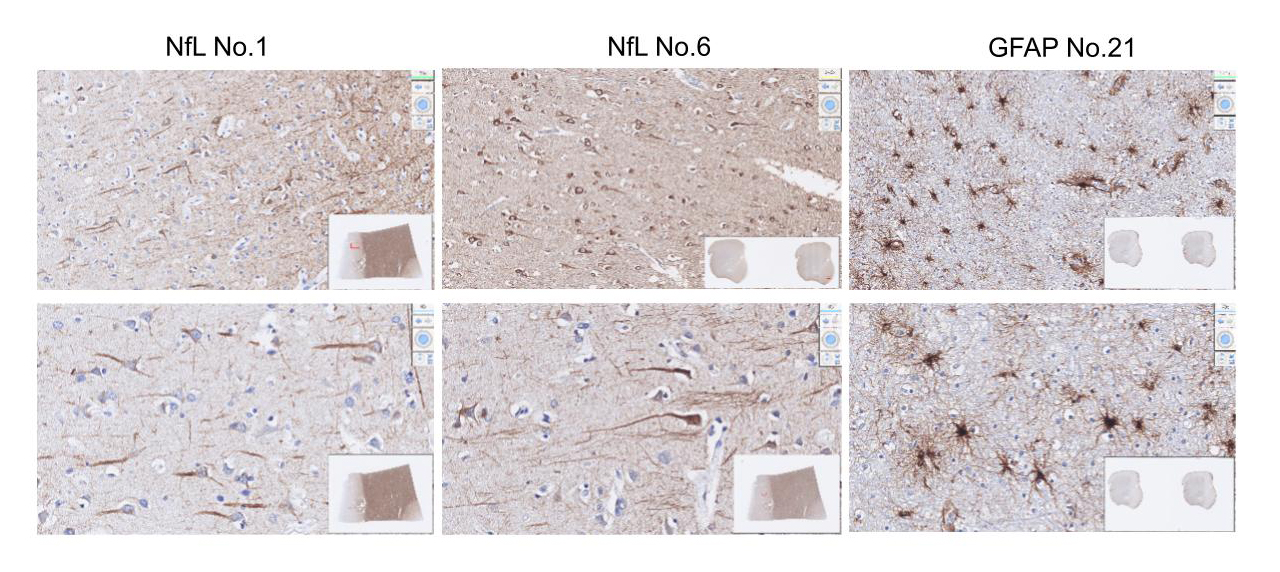
IHC staining (Parietal section from human brain with AD)